

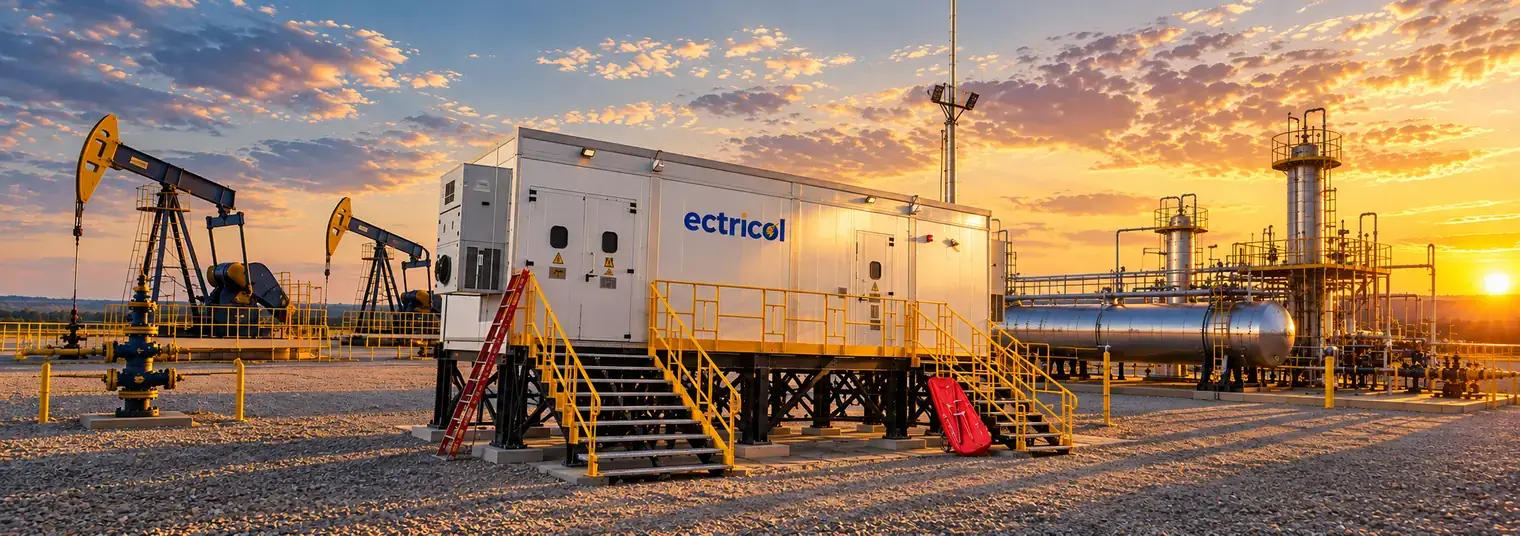
So far in 2026, Colombian oil production sits at its lowest level since 2014, and natural gas fell sharply. In a sector that already produces less, every barrel and every million cubic feet counts, and an unplanned shutdown is paid for in real money. What few people see is that, more and more, the variable that decides whether a field keeps producing or comes to a halt is not in the reservoir: it is in the electrical switchboard. This is the link the sector cannot afford to neglect.
The 2026 numbers paint a sector under pressure. The country's average crude production has hovered around 740,700 barrels per day year to date, its weakest level since 2014, and natural gas output fell steeply compared with the previous year. At the same time, the projected gas deficit for the country could reach as much as 39% of demand, which forces the country to import liquefied natural gas at a higher cost.
In that context, the operator's math changes. When production is in decline because of the natural maturity of the fields, every barrel left in the ground because of an avoidable failure weighs more heavily on the cash flow. And here an uncomfortable fact appears: among the causes that temporarily affected the operation of some producing blocks in 2026 were problems tied to the electrical infrastructure. Power has stopped being a background service and has become a factor of production.
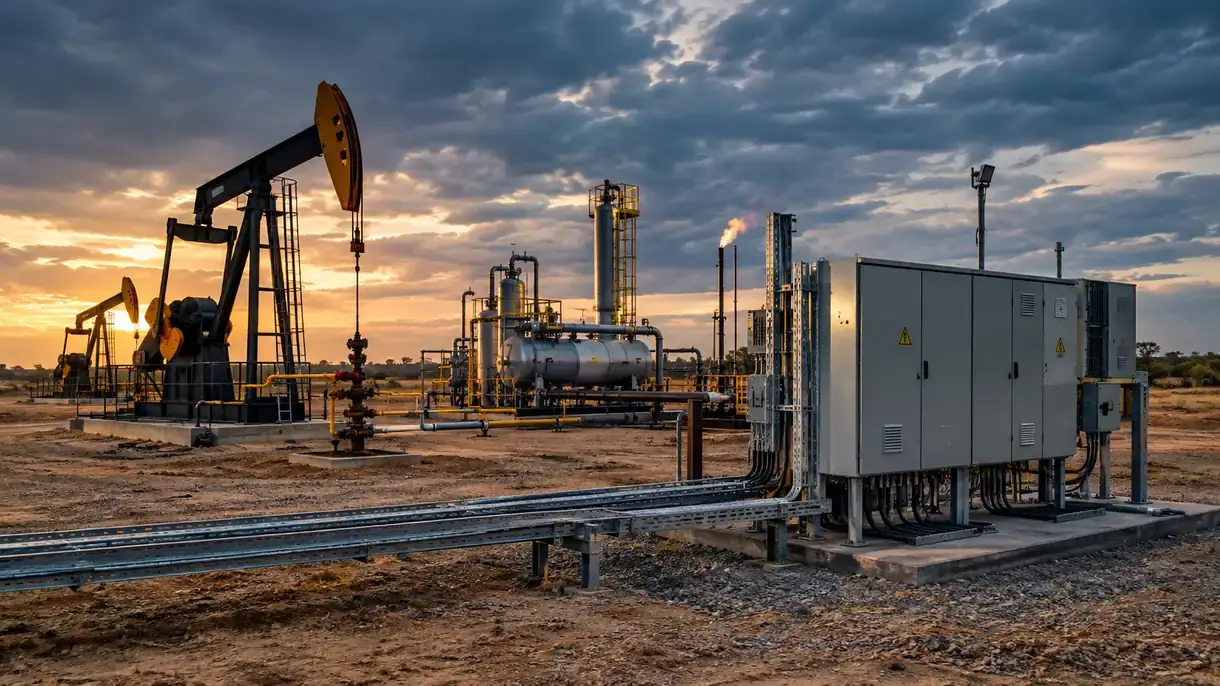
In a modern hydrocarbon field, almost everything that moves the crude or the gas is electrical. Artificial lift (electric submersible pumps, mechanical pumping), gas compression, water injection, and the treatment and separation plants all depend on motors powered and controlled from switchboards. If the switchboard goes down, the well stops.
The problem is made worse by geography. Many fields are in remote areas of Meta, Casanare, and Arauca, far from a robust grid and from a nearby service center. There, an electrical failure is not resolved in minutes: it can mean hours or days of lost production while a spare part or a technician makes the trip. That is why electrical infrastructure in oil and gas is not specified on price; it is specified on availability.
There is a technical difference that separates any ordinary industrial switchboard from one fit for hydrocarbons: the presence of explosive atmospheres. Where there is flammable gas or vapor, the installation enters the domain of hazardous (classified) areas, and the electrical equipment must be selected and located so that it never becomes a source of ignition.
The engineering answer is usually twofold: equipment with protection suited to the zone where it will sit, and, very often, concentrating the switchgear in a controlled environment. Instead of scattering switchboards exposed to the weather and to the process atmosphere, they are grouped inside a pressurized, climate-controlled electrical room separated from the risk area. That electrical-architecture decision protects the equipment, protects personnel, and simplifies regulatory compliance.
What electrical infrastructure in oil and gas demands
In a field that cannot stop, power must have a plan B. Automatic transfer between the grid and the generation plant (or between two sources) keeps the critical loads alive when one source fails, with no manual intervention. Combined with redundancy schemes in the distribution, it is the difference between a disturbance of a few seconds and a process shutdown.
Specification lesson. In oil and gas, the cost of an unplanned shutdown usually far outweighs the savings from a cheaper switchboard. Before buying on price, quantify how much an hour of stopped production is worth in that field. That number almost always justifies investing in availability: redundancy, automatic transfer, equipment fit for the area, and a well-conceived electrical room.
Industrias Ectricol S.A.S. manufactures electrical infrastructure designed for the demands of the Oil & Gas sector. The portfolio covers the layers where electricity decides production:
Solutions for the field and the plant
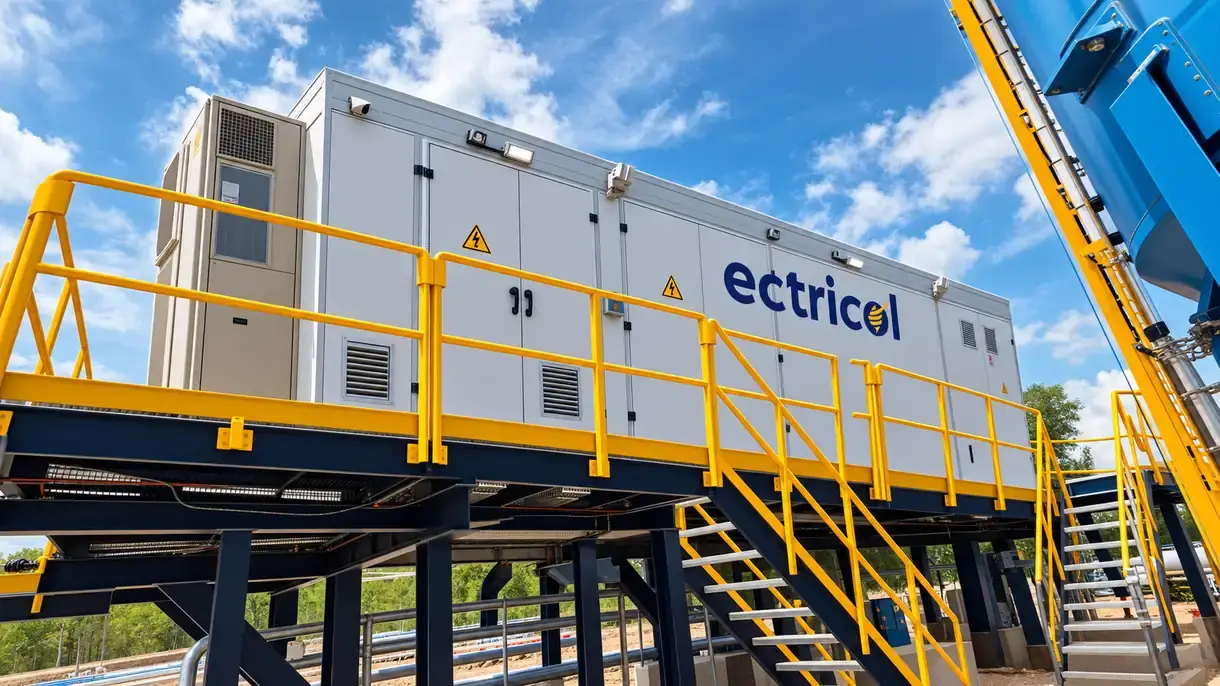
The shelters (prefabricated electrical rooms) make it possible to bring all the switchgear to the field already assembled and tested, ready to connect, reducing the electrical work at a remote and hostile site. The Motor Control Center (MCC) concentrates the starting and protection of the pumps and compressors, and the automatic transfer switchboards ensure continuity when a source drops.
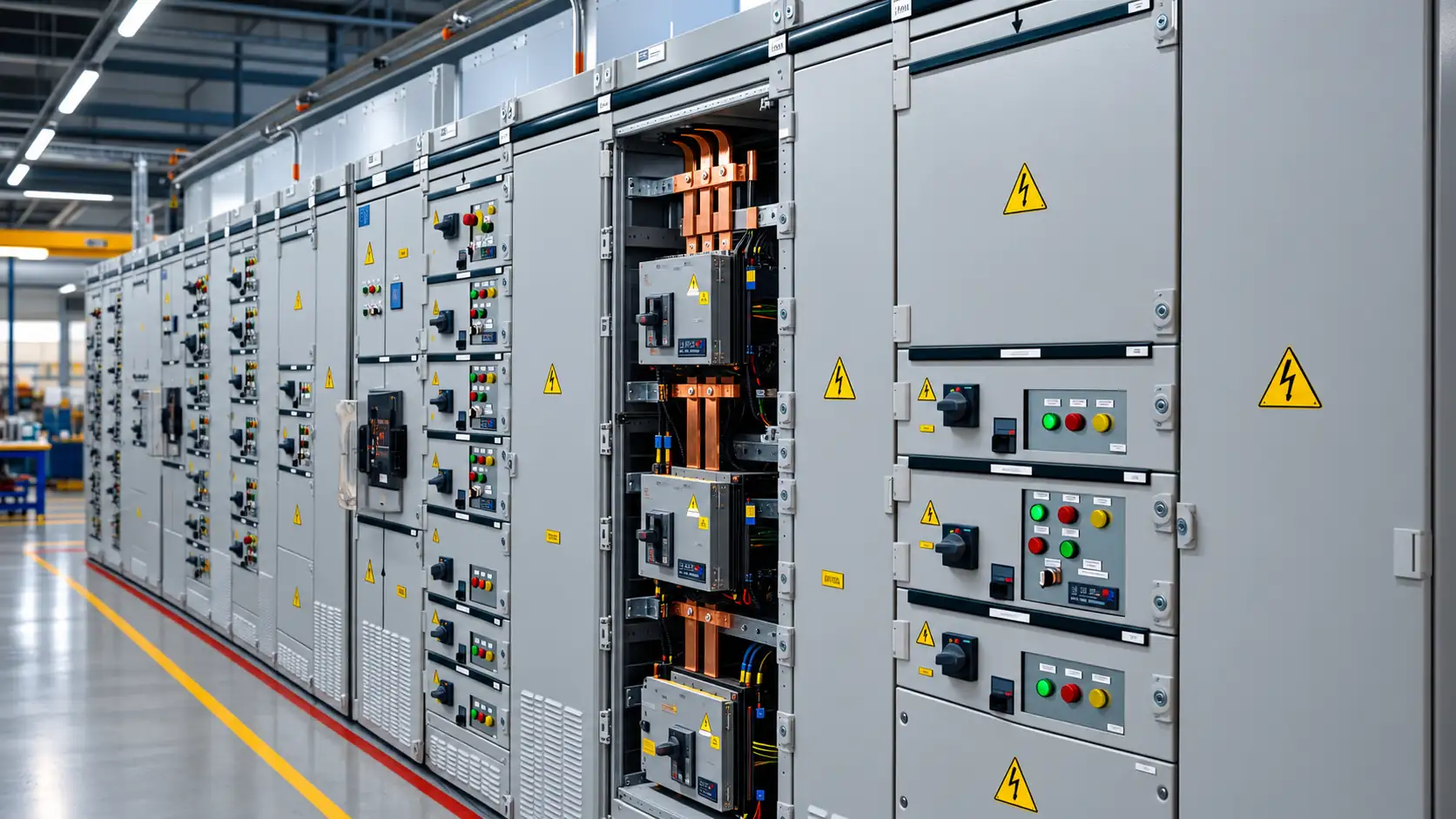
For a sector with remote fields, two of Ectricol's advantages carry particular weight. Manufacturing in Funza, Cundinamarca shortens delivery times and makes support and spare parts easier to obtain within the country, without depending on long imports. And the factory acceptance test (FAT) before dispatch reduces risk on site: the switchboard or the room arrives at the field already validated, with fewer surprises at start-up and less commissioning time at a site where every day is expensive. All under compliance with RETIE and the applicable IEC standards.
Because artificial lift, compression, injection, and treatment all depend on motors powered from switchboards. If the electrical infrastructure fails, the well or the plant stops, and in remote fields a shutdown can last hours or days, with direct lost production.
It is a zone where explosive atmospheres may be present because of flammable gas or vapor. There, electrical equipment must be selected and located so that it is not a source of ignition. It is common to concentrate the switchgear in a controlled electrical room, separated from the risk area.
It is an electrical room assembled and tested at the factory that arrives at the field ready to connect. It concentrates switchboards, MCC, and switchgear in a controlled environment, reduces on-site electrical work, and protects the equipment from the surroundings.
Automatic transfer switchboards switch between the grid and the plant (or between two sources) to keep critical loads alive with no manual intervention. Combined with redundancy in the distribution, they prevent a disturbance from turning into a process shutdown.
Yes. Industrias Ectricol S.A.S. manufactures shelters, MCCs, transfer switchboards, and medium-voltage switchgear for the sector in Funza, with factory acceptance tests (FAT) before dispatch and compliance with RETIE.
Can your operation afford an electrical shutdown?
The engineering team at Industrias Ectricol S.A.S. designs and manufactures robust, factory-tested electrical infrastructure for fields, process plants, and stations in the hydrocarbon sector.
Talk to our team View Oil & Gas solutions
Two low-voltage switchboards can look identical from the outside and yet protect your personnel in radically different ways. The difference lies in one line of the specification that almost nobody...
Keep reading