
Two low-voltage switchboards can look identical from the outside and yet protect your personnel in radically different ways. The difference lies in one line of the specification that almost nobody questions: the form of separation. If your switchboard feeds a plant that cannot stop, that line decides whether you can perform maintenance safely or whether you have to shut everything down.
The form of separation (IEC 61439-2) defines how the internal parts of a low-voltage switchboard are segregated: the main busbar, the functional units (each outgoing circuit with its protection) and the connection terminals. The higher the form, the greater the barrier (metallic or insulating) between those parts. What is it for? For two concrete purposes: to limit the propagation of a fault and to allow work on one outgoing unit without exposing the technician to adjacent live parts.
The four forms, in one sentence each
The "a" and "b" variants (Form 3a/3b, 4a/4b) indicate whether the terminals of an outgoing unit stay in the same compartment as their tap-off busbar or in a dedicated one. It looks like a detail: it is the difference between reconnecting a cable with the neighboring cubicle safe or not.
The answer depends on how critical the operation is and on the maintenance policy, not on "the more, the better". Three practical criteria:
Specification lesson. Do not write "Form 4" out of habit. First decide whether you will carry out live maintenance per outgoing unit; that determines the variant (a/b) and avoids paying for segregation you will not use, or falling short in a plant that cannot stop.
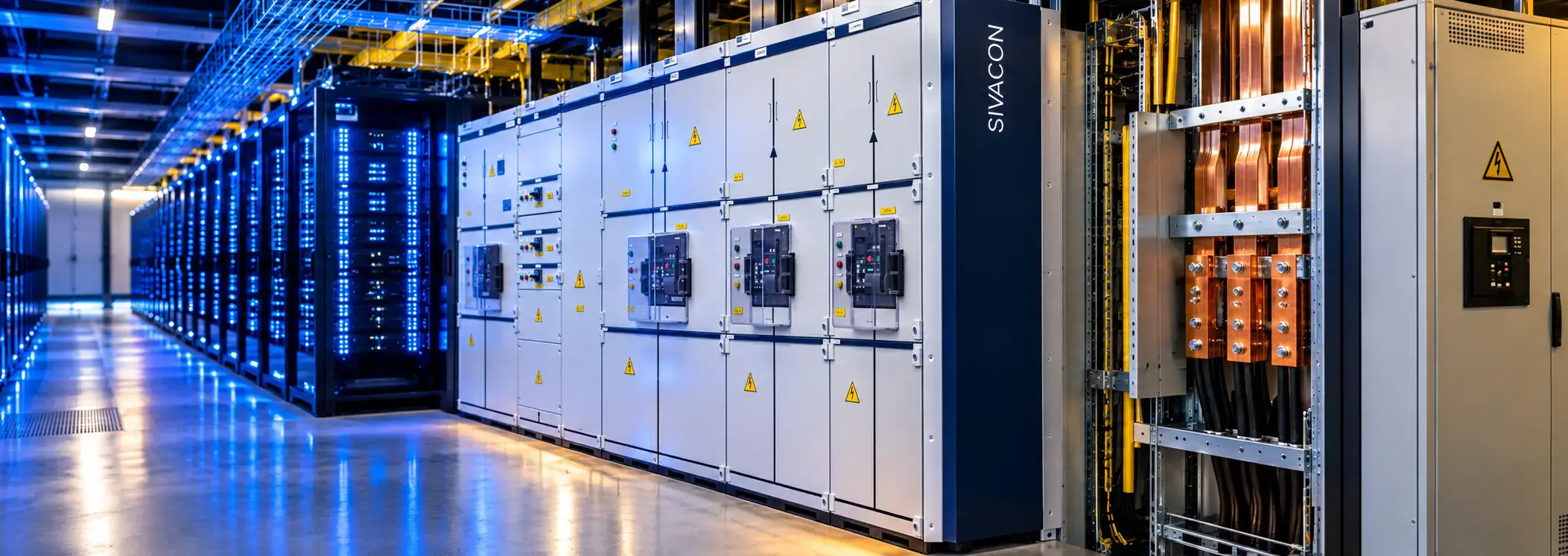
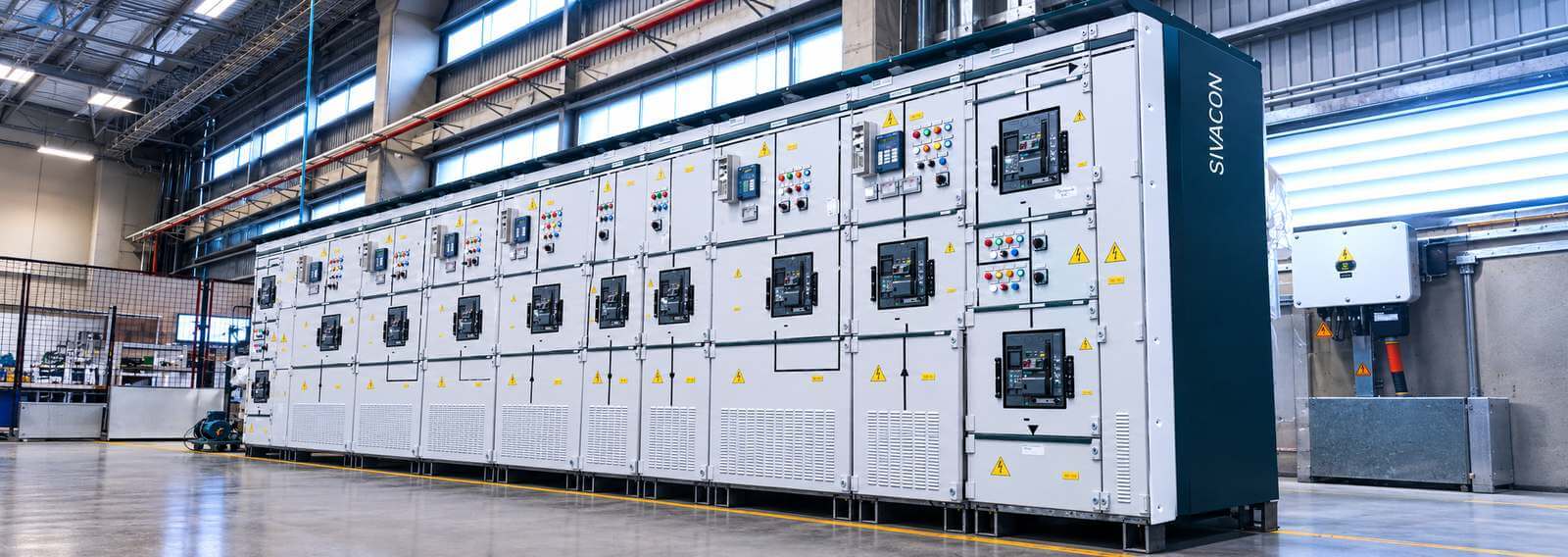
The SIVACON S8 is the Siemens low-voltage distribution switchboard system that Industrias Ectricol S.A.S. manufactures locally. It covers the full range of forms of separation (1 to 4b) and high busbar currents, with design verification to IEC 61439. Because it is built in Funza, Cundinamarca, with routine tests before dispatch, it shortens lead times and makes support and spare parts easier to obtain within the country.
Technical data (summary)
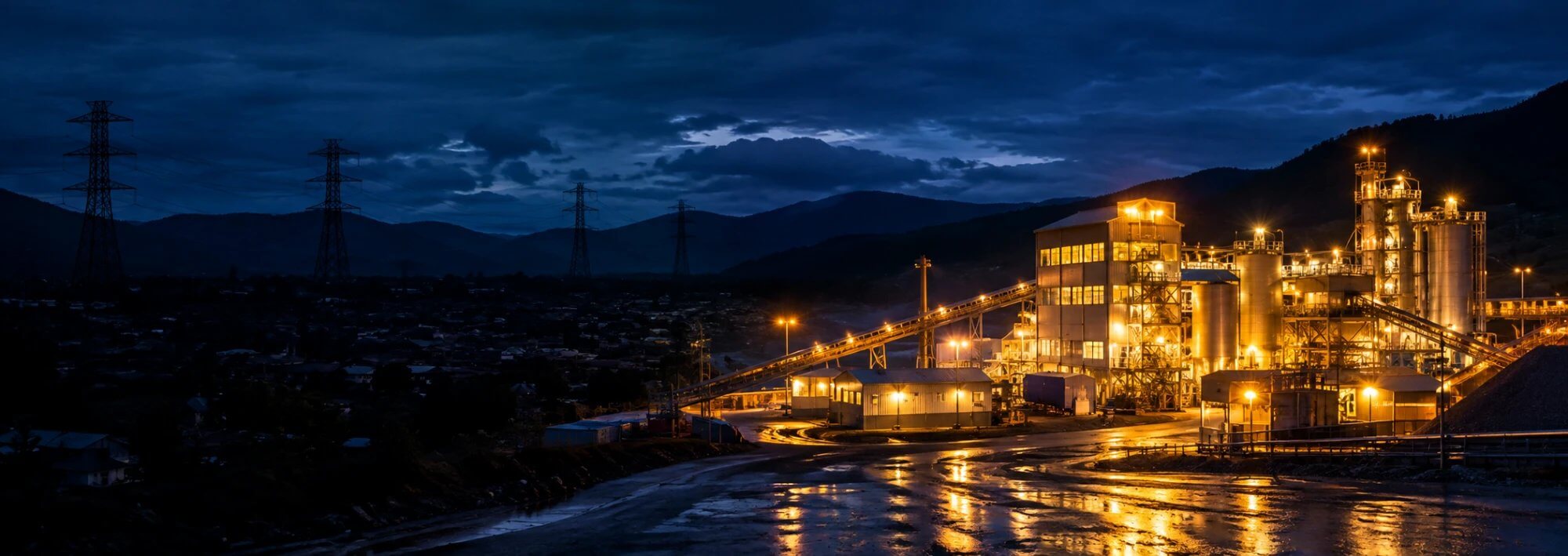
The choice of form of separation is critical wherever availability rules: Mining, Oil & Gas and process industry, and in Utilities and Renewable Energy, where the LV switchboard distributes the plant output.
IEC 61439-1/-2 is the international standard for low-voltage switchgear and controlgear assemblies and defines the forms of separation and the design verification. In Colombia, the installation must also comply with the RETIE in force. Consult IEC 61439-2.
It is the IEC 61439-2 classification that defines how the busbars, the functional units and the terminals of a switchboard are internally segregated. The higher the form (1 to 4b), the greater the internal barrier, which limits fault propagation and allows work on outgoing units with greater safety.
In Form 3 the functional units are separated from one another and from the busbars, but the terminals may share space with the tap-off busbar. In Form 4, in addition, the terminals of each outgoing unit are separated, which allows safer maintenance per unit.
They indicate where the terminals of an outgoing unit sit: in variant "a" they share a compartment with their tap-off busbar; in "b" they have their own compartment, which improves safety when reconnecting cables while the rest of the switchboard stays energized.
The SIVACON S8 is designed and verified to IEC 61439; its installation in Colombia must comply with the RETIE in force. Industrias Ectricol S.A.S. manufactures it locally in Funza with routine tests before dispatch.

Industrias Ectricol S.A.S. is a Siemens Technology Partner, a certified and audited manufacturer within the Technology Partner program, authorized to manufacture the SIVACON S8 low-voltage switchboard.
Does your specification define the right form of separation?
The engineering team at Industrias Ectricol S.A.S. helps you specify the SIVACON S8 according to the real criticality of your operation.
Talk to a specialist View SIVACON S8 switchboard